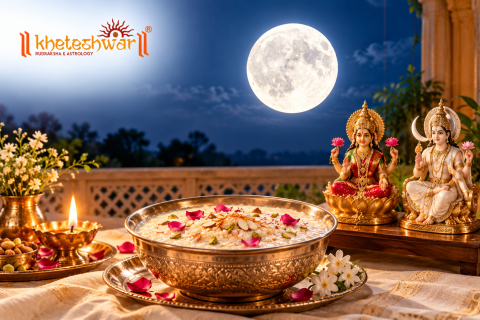
Lakshmi and Kubera in Vedic Tradition: Wealth, Prosperity and Puja Practices

In Hindu tradition, Goddess Lakshmi and Lord Kubera are associated with wealth, prosperity, abundance, and the responsible management of resources. Goddess Lakshmi represents wealth, auspiciousness, beauty, and well-being, while Lord Kubera is traditionally regarded as the guardian and treasurer of divine wealth.
Worshipping Lakshmi and Kubera together is a popular practice during Diwali, particularly among families, business owners, and devotees praying for prosperity and financial stability.
In this guide, we will explore their religious significance, traditional puja practices, mantras, and the importance of combining spiritual values with responsible financial habits.
Who Is Goddess Lakshmi in Hindu Tradition?
Goddess Lakshmi is one of the most widely worshipped deities in Hinduism. She is traditionally associated with wealth, good fortune, abundance, beauty, and auspiciousness. She is also regarded as the consort of Lord Vishnu.
Goddess Lakshmi is commonly depicted seated on a lotus, symbolising purity, spiritual growth, and beauty. In many representations, gold coins flow from her hands, signifying abundance and generosity.
Devotees worship Goddess Lakshmi to express gratitude and pray for prosperity, harmony, and well-being in their homes and businesses.
Different Forms of Goddess Lakshmi
Hindu devotional traditions describe several forms of Goddess Lakshmi, often collectively known as Ashta Lakshmi.
- Adi Lakshmi: Associated with spiritual abundance and the eternal source of prosperity.
- Dhana Lakshmi: Associated with material wealth and financial resources.
- Dhanya Lakshmi: Associated with food, nourishment, and agricultural abundance.
- Gaja Lakshmi: Associated with prosperity, dignity, and royal abundance.
- Santana Lakshmi: Associated with family continuity and children.
- Veera Lakshmi: Associated with courage and strength.
- Vijaya Lakshmi: Associated with victory and success.
- Vidya Lakshmi: Associated with knowledge and learning.
Lists and descriptions of the forms may vary across devotional traditions.
Who Is Lord Kubera?
Lord Kubera, also known as Kuber or Vaishravana, is traditionally described as the lord and guardian of wealth in Hindu mythology. He is associated with treasures, precious possessions, and the safekeeping of riches.
While Goddess Lakshmi represents prosperity and auspicious abundance, Lord Kubera is particularly associated with the guardianship and preservation of wealth.
For this reason, devotees may worship both deities together during Diwali and other occasions associated with prosperity.
Religious Significance of Lord Kubera
Lord Kubera is traditionally associated with:
- Protection and guardianship of wealth.
- Responsible preservation of financial resources.
- Prosperity in household and business life.
- Gratitude for material resources.
- Generosity and the appropriate use of wealth.
These are religious and cultural associations rather than guarantees of financial outcomes.
Why Are Goddess Lakshmi and Lord Kubera Worshipped Together?
Lakshmi–Kubera Puja combines two complementary ideas within Hindu devotional tradition: the blessings of prosperity and the guardianship of wealth.
Devotees may pray to Goddess Lakshmi for abundance, happiness, and auspiciousness, while praying to Lord Kubera for the responsible preservation of resources.
This tradition can also inspire practical values such as saving money, avoiding unnecessary expenditure, managing business finances carefully, and helping those in need.
Lakshmi–Kubera worship is especially popular during Diwali, when many households and businesses perform Lakshmi Puja and offer prayers for the coming year.
Lakshmi–Kubera Puja: Best Time and Occasions
Lakshmi–Kubera Puja is commonly performed during:
- Diwali: An important occasion for Lakshmi worship in many Hindu communities.
- Dhanteras: A festival associated with prosperity, traditional purchases, and worship.
- New financial beginnings: Some families and business owners perform puja when opening new accounts or starting a new venture.
- Personal devotional occasions: Devotees may worship according to their family traditions and preferred religious calendar.
For festival worship, follow the local Panchang for the relevant date and puja muhurat. Customs differ by region and family tradition.
Lakshmi–Kubera Puja Vidhi at Home
The following is a simple outline of a common devotional practice. Specific rituals may vary, so families may follow their customary method or consult a qualified priest.
Step 1: Clean the Puja Area
Clean the home and prepare a tidy worship space. Arrange pictures or idols of Goddess Lakshmi and Lord Kubera on a clean platform.
Step 2: Arrange the Puja Samagri
Commonly used items include:
- A diya and suitable oil or ghee.
- Flowers and a small garland.
- Kumkum, sandalwood paste, and akshat.
- Fresh water in a clean vessel.
- Fruits and traditional sweets.
- Coins or a clean account book, if customary.
- Incense, if desired and used safely.
The exact list depends on local tradition.
Step 3: Begin with Prayer to Lord Ganesha
Many Hindu pujas begin with prayers to Lord Ganesha, who is traditionally worshipped for the removal of obstacles.
You may recite:
Om Gan Ganapataye Namah
Repeat the mantra with devotion according to your own practice.
Step 4: Worship Goddess Lakshmi
Offer flowers, kumkum, sweets, and a diya to Goddess Lakshmi. Pray for wisdom, harmony, honest prosperity, and the well-being of your family.
Step 5: Worship Lord Kubera
Offer flowers and prayers to Lord Kubera. Devotees may place coins or a symbolic wealth container near the deity as part of their customary ritual.
Pray for the wisdom to earn honestly, save responsibly, and use resources constructively.
Step 6: Recite Traditional Mantras
You may recite a Lakshmi mantra and a Kubera mantra according to your family tradition.
Step 7: Offer Bhog and Perform Aarti
Offer fruits, sweets, or another suitable food offering. Perform aarti if customary and conclude with a prayer for peace, gratitude, and prosperity.
Distribute the prasad among family members.
Popular Lakshmi and Kubera Mantras
Goddess Lakshmi Mantra
Om Shreem Mahalakshmyai Namah
This is a widely used devotional mantra dedicated to Goddess Lakshmi. Devotees recite it as an expression of reverence and prayer for auspiciousness and well-being.
Lord Kubera Mantra
Om Yakshaya Kuberaya Vaishravanaya Dhanadhanyadhipataye Namah
This is a commonly circulated devotional mantra associated with Lord Kubera. Pronunciation and mantra wording may differ across traditions.
How to Chant the Mantras
- Sit comfortably in a clean and peaceful place.
- Take a few moments to settle your mind.
- Recite the chosen mantra respectfully and at a comfortable pace.
- Focus on gratitude, honesty, and responsible use of wealth.
- Conclude with a short prayer according to your tradition.
There is no need to make promises about a specific number of repetitions or guaranteed financial results.
Lakshmi–Kubera Puja for Business Owners
Many business owners perform Lakshmi Puja during Diwali or at the beginning of a new financial period. The ritual can be an opportunity to express gratitude for customers, employees, business opportunities, and financial resources.
Common practices may include:
- Keeping the office or shop clean before puja.
- Offering prayers to Goddess Lakshmi and Lord Kubera.
- Placing account books or a symbolic cash box near the puja area.
- Praying for ethical business conduct and steady progress.
- Reviewing business goals and financial responsibilities.
- Making charitable contributions according to one’s means.
For business owners, devotional practice can be accompanied by practical planning, accurate bookkeeping, careful budgeting, and responsible customer service.
Practical Lessons from Lakshmi and Kubera Worship
Beyond the ritual itself, the tradition can encourage several useful values.
1. Earn honestly: Build prosperity through ethical work and responsible decisions.
2. Save thoughtfully: Manage income and expenses instead of spending without planning.
3. Share generously: Consider helping others through charity and community service.
4. Respect resources: Avoid unnecessary waste and appreciate what you have.
5. Plan for the future: Maintain sensible financial goals and prepare for unexpected expenses.
Religious worship can offer meaning and encouragement, while financial outcomes depend on real-world circumstances, decisions, and opportunities.
Frequently Asked Questions
Who are Goddess Lakshmi and Lord Kubera?
Goddess Lakshmi is associated with wealth, auspiciousness, and prosperity. Lord Kubera is traditionally regarded as the guardian and treasurer of wealth in Hindu mythology.
Why are Lakshmi and Kubera worshipped together?
Devotees worship them together as a way of praying for prosperity and the responsible preservation of wealth. This practice is particularly popular during Diwali.
When is Lakshmi–Kubera Puja performed?
It is commonly performed during Diwali and other occasions associated with prosperity. The exact day and muhurat depend on the local Panchang and regional customs.
Which mantra can be recited for Goddess Lakshmi?
A widely used devotional mantra is “Om Shreem Mahalakshmyai Namah.”
Which mantra is associated with Lord Kubera?
One commonly circulated mantra is “Om Yakshaya Kuberaya Vaishravanaya Dhanadhanyadhipataye Namah.”
Can Lakshmi–Kubera Puja be performed at home?
Yes. Many families perform a simple puja at home using a clean worship space, flowers, a diya, traditional offerings, and prayers according to their customs.
Does Lakshmi–Kubera Puja guarantee financial success?
No ritual can guarantee wealth or business success. For devotees, the puja is a spiritual practice that expresses faith and encourages gratitude. Financial stability also depends on planning, responsible decisions, and circumstances.
Conclusion
Goddess Lakshmi and Lord Kubera hold an important place in Hindu traditions associated with wealth and prosperity. Lakshmi represents abundance and auspiciousness, while Kubera is traditionally regarded as the guardian of treasures.
Lakshmi–Kubera Puja offers devotees an opportunity to express gratitude, pray for family well-being, and reflect on the responsible use of wealth. When combined with honest work, thoughtful financial planning, generosity, and ethical conduct, these values can support a balanced approach to prosperity.
May Goddess Lakshmi and Lord Kubera inspire wisdom, peace, generosity, and well-being in every home.